
How the Spanish healthcare system actually works.
A plain-English orientation for expats on the Costa del Sol: how public (Servicio Andaluz de Salud) and private care fit together, registering at your centro de salud, using urgencias, and reaching a specialist. It is a map, not a substitute for actually registering — but it should stop you feeling lost.
How Spanish healthcare actually works
Five things worth knowing before your first appointment. Public and private care generally complement each other here — most expats end up using both.
Public (SAS) vs private
Andalucía runs its public system through the Servicio Andaluz de Salud (SAS). If you have the right to public cover — through work, the Convenio Especial or an S1/EU arrangement — it is generally comprehensive and low-cost at the point of use. Many expats also carry private insurance for speed and English-speaking doctors. The two commonly sit side by side rather than one replacing the other.
Your centro de salud & GP
Public care usually starts at your local centro de salud, the health centre for your address, where you are assigned a médico de cabecera (family GP). You typically need to register and get a tarjeta sanitaria (health card) first — registering there is normally your entry point for routine appointments, sick notes and referrals.
Urgencias (A&E)
For genuine emergencies there are urgencias departments at hospitals, plus 112 for ambulances. As a rough guide, urgencias is for the serious and the sudden; day-to-day complaints are usually better taken to your centro de salud. Private clinics also run their own urgent-care services, which many expats use to skip the wait.
Specialists by referral (derivación)
In the public system you generally reach a specialist through a referral — a derivación — from your GP, rather than booking directly. Private insurance often lets you go straight to a specialist, which is one reason people pay for it: not necessarily better medicine, but faster access and, often, a doctor who speaks English.
Pharmacies & prescriptions
Pharmacies (farmacias, marked with a green cross) are everywhere on the coast and pharmacists can advise on minor ailments. Public prescriptions are usually issued electronically (receta electrónica) and collected against your health card, often at a subsidised price. Some medicines that need a prescription back home are sold over the counter here, and vice versa — when in doubt, ask the pharmacist.
This is general orientation, not medical or legal advice. If you need to secure public cover, look at Public Healthcare Registration and the Convenio Especial; for faster, English-speaking access, see Private Health Insurance.
The questions we get first
Do I automatically get public healthcare when I move to Spain?
Not automatically. Public cover through the Servicio Andaluz de Salud generally depends on having a recognised right to it — for example through employment and social-security contributions, the Convenio Especial (a pay-in scheme), or an EU/UK S1 arrangement if you qualify. Once you have the right, you register and receive a health card. This page is orientation, not a substitute for actually registering, so it is worth confirming your own route.
How do I register with a doctor here?
As a general guide, once you are entitled to public care you register at the centro de salud for your address, usually after empadronamiento (registering with the town hall) and obtaining a health card. You are then assigned a family GP who becomes your first point of contact for most things. The exact steps and documents can vary by town, so check with your local centre.
Should I get private health insurance as well?
Many Costa del Sol expats do, and for two common reasons: speed of access and English-speaking doctors. Private cover typically lets you book specialists directly and cuts waiting times, while public care tends to be comprehensive and low-cost once you are in it. It is a personal decision rather than a rule, and for some visas a qualifying private policy is a legal requirement in its own right.
Where do I go if something is urgent?
For a genuine emergency, call 112 or go to a hospital urgencias department. For less serious but same-day problems, your centro de salud or a private urgent-care clinic is often the more sensible option. As always, this is general orientation — if you are unsure how serious something is, err on the side of caution and seek medical help.
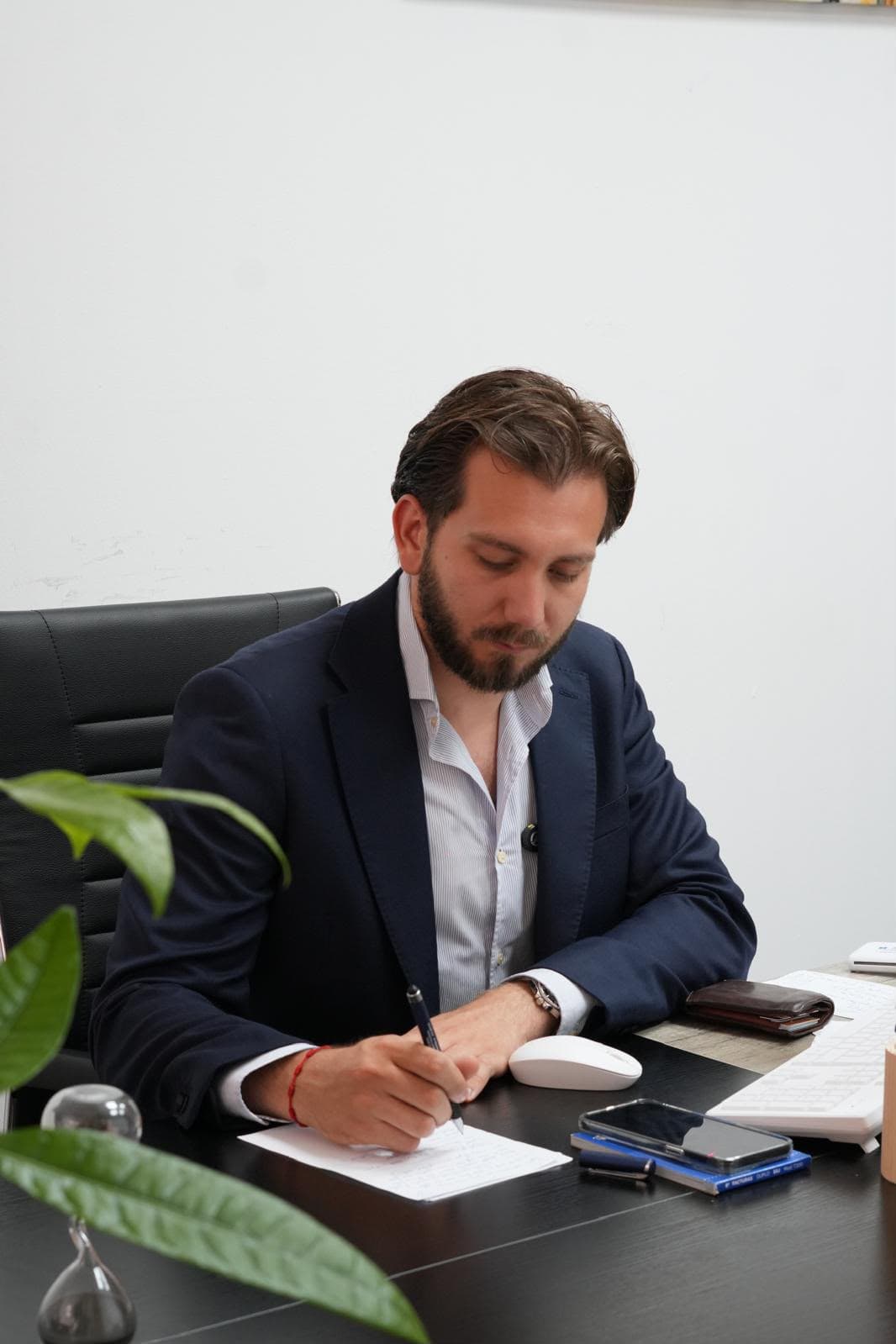
Reviewed by a lawyer
Reviewed by Alberto García López
Immigration lawyer · ICA Málaga, reg. no. 11.441
We check every page against current Spanish law. This is general information, not advice on your individual case.
Globalium is an independent law firm, not a government agency, and is not affiliated with or endorsed by any public administration. Visas, permits and identification numbers are granted solely by the Spanish authorities, and you are free to apply to them directly yourself. Our fees pay for legal advice and representation, and are separate from any official fee or tax.

Know the map. Now get registered.
Orientation only takes you so far. If you want your public cover, the Convenio Especial or a qualifying private policy sorted properly, tell us your situation and we'll point you at the right route — in plain English.