
Make your degree count in Spain.
You earned the qualification once. Spain won’t take it on trust — it wants it formally recognised before it lets you practise or study on it. We work out the right route (homologación, equivalencia or professional recognition), assemble the apostilles and sworn translations, file it with the correct ministry, and set honest expectations on how long it really takes — in plain English.
The knowledge in your head is worth exactly the same in Fuengirola as it was in Manchester. The paperwork that proves it, unfortunately, is not.
Degree recognition in Spain, in plain English
Four things carry every file. Most delays come down to the first — the wrong route chosen — and the second — an apostille or translation done not-quite-right.
The right route, correctly chosen
There isn’t one process — there are three. Homologación equates your qualification to a specific Spanish degree and is what regulated professions demand. Equivalencia recognises a level or field for academic purposes. Professional recognition is the separate track for EU-regulated professions. Pick the wrong one and you wait months for a resolution you couldn’t use — so the very first thing we do is name the correct route for your profession.
Apostilled originals
Your degree certificate and, usually, your academic transcript must carry the Hague Apostille from the country that issued them — for UK documents that means the FCDO. A photocopy of a diploma with no legalisation is the single most common reason a file never gets past the front desk.
Sworn official translations
Everything not already in Spanish needs a traducción jurada — a translation by a sworn translator authorised by the Spanish Ministry of Foreign Affairs. Not any bilingual friend, not a website: an accredited sworn translator, stamped and signed. We commission these so the wording matches what the ministry expects to read.
The full academic file
Certified copies, the official transcript of records, and — the piece people forget — a detailed syllabus showing hours, subjects and credits per year. Spain compares your programme against its own degree content, so a thin file invites questions and a thick, well-ordered one avoids them.
Which route applies, which documents are demanded and which authority decides are all set by current Spanish law and the profession involved — we confirm the exact requirements for your qualification at the outset.
From foreign diploma to Spanish recognition
Route diagnosis
We look at your qualification and, crucially, what you want to do with it in Spain — practise a regulated profession, enrol in a master’s, or simply prove a level. That decides whether it’s homologación, equivalencia or professional recognition. We set expectations up front, including honest timelines.
Assemble & legalise
We build the dossier: apostilles arranged where they’re missing, sworn translations commissioned, transcripts and syllabus gathered and certified. A complete file at the start is the difference between one review and three rounds of requerimientos.
File with the right authority
Academic homologación and equivalencia are handled mainly by the Ministerio de Universidades; some professional routes go elsewhere. We lodge the application with the correct body, pay the fee and register everything so nothing is “lost in the post”.
Track, respond, resolve
These files are slow — often many months, sometimes longer, and the timeline is genuinely outside anyone’s control. We monitor the status, answer any requerimiento inside its deadline, and get you the resolution. When it lands, we tell you exactly what it does and doesn’t let you do.
Medical, nursing and other health qualifications follow a separate, slower route. If that’s you, start on our Medical Degree Homologation service instead.
The questions we get first
What’s the difference between homologación, equivalencia and professional recognition?
Homologación declares your foreign qualification equivalent to a specific Spanish degree — it’s what you need for regulated professions (doctor, lawyer, architect, teacher and so on). Equivalencia recognises your studies as equivalent to a general level or field, which is enough for academic purposes like enrolling in further study. Professional recognition is a distinct route, used especially for EU-regulated professions, that lets you practise without full academic homologation. The correct one depends entirely on what you intend to do here, which is exactly what we pin down on the first call.
Do I actually need my degree homologated to work in Spain?
Not always. If your profession is regulated in Spain — medicine, nursing, law, teaching, engineering, architecture and others — then yes, you generally need homologación or professional recognition before you can practise. If your work isn’t a regulated profession, an employer often only needs to see the qualification and, sometimes, an equivalencia. We’ll tell you plainly whether the full process is necessary for your situation or whether you’re about to spend a year on paperwork you don’t need.
How long does homologation take?
Longer than anyone would like, and we’d rather be honest than sell you a fantasy. Depending on the route, the profession and the ministry’s backlog, it commonly runs to many months and can stretch beyond a year. The processing time sits with the administration, not with us — what we control is that your file goes in complete and correct, so it isn’t delayed further by avoidable gaps or a requerimiento you missed. We set that expectation before you start, not after.
What documents do I need?
As a rule: your original degree certificate and academic transcript, each carrying the Hague Apostille; a detailed syllabus showing subjects, credits and teaching hours; sworn official translations (traducción jurada) of everything not in Spanish; certified copies; and your ID. The exact list shifts with the route and the profession, which is why we hand you a tailored checklist rather than a generic one — the generic one is where files go wrong.
My qualification is in medicine or nursing — is this the same process?
It’s related but slower and separate. Health and medical qualifications follow their own homologation route with additional scrutiny, and it’s not somewhere to improvise. If that’s you, start on our dedicated Medical Degree Homologation service instead — it’s built for exactly this and we’ll steer you there rather than run you through the general track.
Will my UK degree still be recognised after Brexit?
Yes — the process exists precisely so that qualifications from outside the EU can be recognised, and UK degrees go through it like any other. What changed is that some of the smoother EU professional-recognition shortcuts no longer apply automatically to British qualifications, so more UK-trained professionals now need the full homologación route. It’s very doable; it just needs the right paperwork and a realistic sense of the clock.
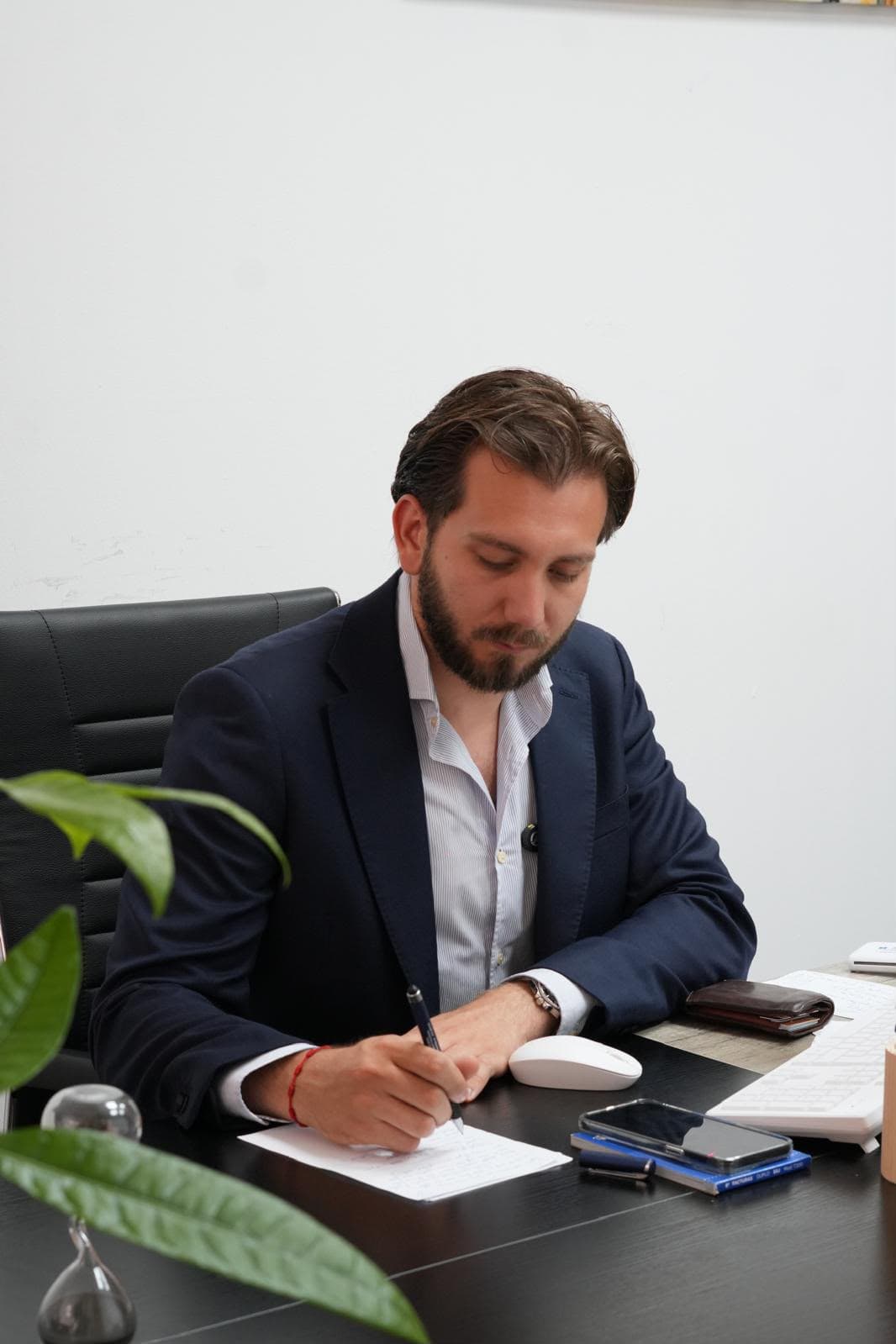
Reviewed by a lawyer
Reviewed by Alberto García López
Immigration lawyer · ICA Málaga, reg. no. 11.441
We check every page against current Spanish law. This is general information, not advice on your individual case.
Globalium is an independent law firm, not a government agency, and is not affiliated with or endorsed by any public administration. Visas, permits and identification numbers are granted solely by the Spanish authorities, and you are free to apply to them directly yourself. Our fees pay for legal advice and representation, and are separate from any official fee or tax.

Tell us the degree. We’ll tell you the route.
A straight answer on which recognition route your qualification needs, what it involves and — honestly — how long to expect, before you commit to anything.
+34 667 77 02 19 · infoglobalextranjeria@gmail.com
P.S. — the hallmark is quick to strike; finding the right assay office is the slow part. That’s the part we do for you.