
Already a doctor. Now make Spain say so.
Medicine is a regulated profession, so before you can practise on the Costa del Sol your medical degree has to be homologated — formally declared equivalent by the Spanish state. It runs through the Ministerio de Universidades, and for specialists the Ministerio de Sanidad too. It is slow, exacting, and not a form you want to file twice. We run it for you, in plain English.
You spent a decade learning to save lives. Don't lose a year of practising because a transcript wasn't apostilled the way Madrid wanted it.
Medical homologation, in plain English
Four things to understand before you start. This is a specialist route, not the ordinary degree paperwork — and it rewards getting the file right the first time.
Medicine is a regulated profession
You cannot simply translate your title and start seeing patients. Medicine is a regulated profession in Spain, which means you must homologate the qualification — have the Spanish state formally declare it equivalent — before you can practise or register with a Colegio de Médicos.
Two ministries, not one
The basic medical degree runs through the Ministerio de Universidades. If you hold a specialty (surgery, anaesthesia, paediatrics and the rest), that recognition also involves the Ministerio de Sanidad and is measured against Spain’s MIR training framework — a second, tougher gate on top of the first.
A file that survives scrutiny
Your original degree, full academic transcripts, and — for specialists — the specialty certificate, each apostilled and rendered by a traductor jurado (sworn translator). A medical file is read line by line: hours, subjects, clinical placements. Gaps are where cases stall.
Possible assessment of the syllabus
Where your training differs from the Spanish curriculum, the authorities may require complementary training or a theoretical‑practical aptitude test (pruebas de aptitud) before they sign off. Whether that applies depends on your degree and where it was awarded — we’ll give you the honest read, not a rosy one.
Which ministry handles your case, what evidence is required and whether an aptitude test applies are all determined by current Spanish rules and by where your degree was awarded — verified at the time of application.
From qualified abroad to registered in Spain
Credential audit & route
We look at where you qualified and whether you hold a specialty, then map the path — basic homologation, specialty recognition, or both — and flag early where an aptitude test or complementary training is likely.
Legalisation & sworn translation
Apostilles on the degree, transcripts and specialty certificate, then sworn translations into Spanish. This is the slow, unglamorous groundwork that decides whether the file is accepted or bounced on day one.
Filing with the ministry
The dossier goes to the Ministerio de Universidades — and, for specialties, engages the Ministerio de Sanidad. We assemble it, submit it, and track it so it doesn’t sit in a silent inbox.
The wait, tests & registration
Medical homologation is famously long — often measured in years. We handle requests for more evidence, prepare you if an aptitude test is set, and once recognition lands, help you register with the Colegio de Médicos so you can actually work.
We can't shorten the ministry's clock, and we won't pretend to. What we can do is make sure nothing in your file gives it a reason to run longer.
The questions doctors ask first
Do I really have to homologate my medical degree to work in Spain?
Yes. Medicine is a regulated profession, so a foreign degree doesn’t automatically let you practise here. You must homologate it — obtain a formal declaration of equivalence from the Spanish state — before you can register with a Colegio de Médicos and treat patients. A sworn translation on its own is not enough.
How long does medical homologation take?
Honestly: a long time. Medical and specialty homologation is one of the slowest recognition procedures in Spain, and waits are frequently measured in years rather than months. We won’t quote you a date we can’t control — what we can do is make sure the file is complete and correct so it isn’t delayed further by avoidable gaps, and keep it moving where the process allows.
What if my training differs from the Spanish curriculum?
The authorities assess your syllabus — subjects, clinical hours, competencies — against the Spanish standard. Where there are material differences, they may require complementary training or a theoretical‑practical aptitude test (pruebas de aptitud) before granting recognition. Whether this happens depends on your specific degree, so we tell you what to realistically prepare for rather than promising it won’t come up.
Is recognising a specialty different from the basic degree?
It is, and it’s harder. The basic medical degree is handled through the Ministerio de Universidades. A specialty is measured against Spain’s MIR training system and involves the Ministerio de Sanidad as well — a separate, more demanding evaluation. Many doctors homologate the base degree first and pursue the specialty as a distinct step.
Does it matter where my degree is from?
Very much. Qualifications from EU/EEA countries can follow a more automatic recognition path for regulated professions, while degrees from outside the EU generally go through the fuller homologation procedure with closer scrutiny of content. The right route depends on where the degree was awarded and what specialty, if any, you hold — which is the first thing we establish.
What documents do I need to get ready?
As a starting point: your original medical degree, complete academic transcripts, and — for specialists — the specialty certificate, each apostilled and translated by a sworn translator (traductor jurado). Depending on your case, further supporting evidence of syllabus and training may be requested. We give you the precise list up front so you’re not gathering documents twice.
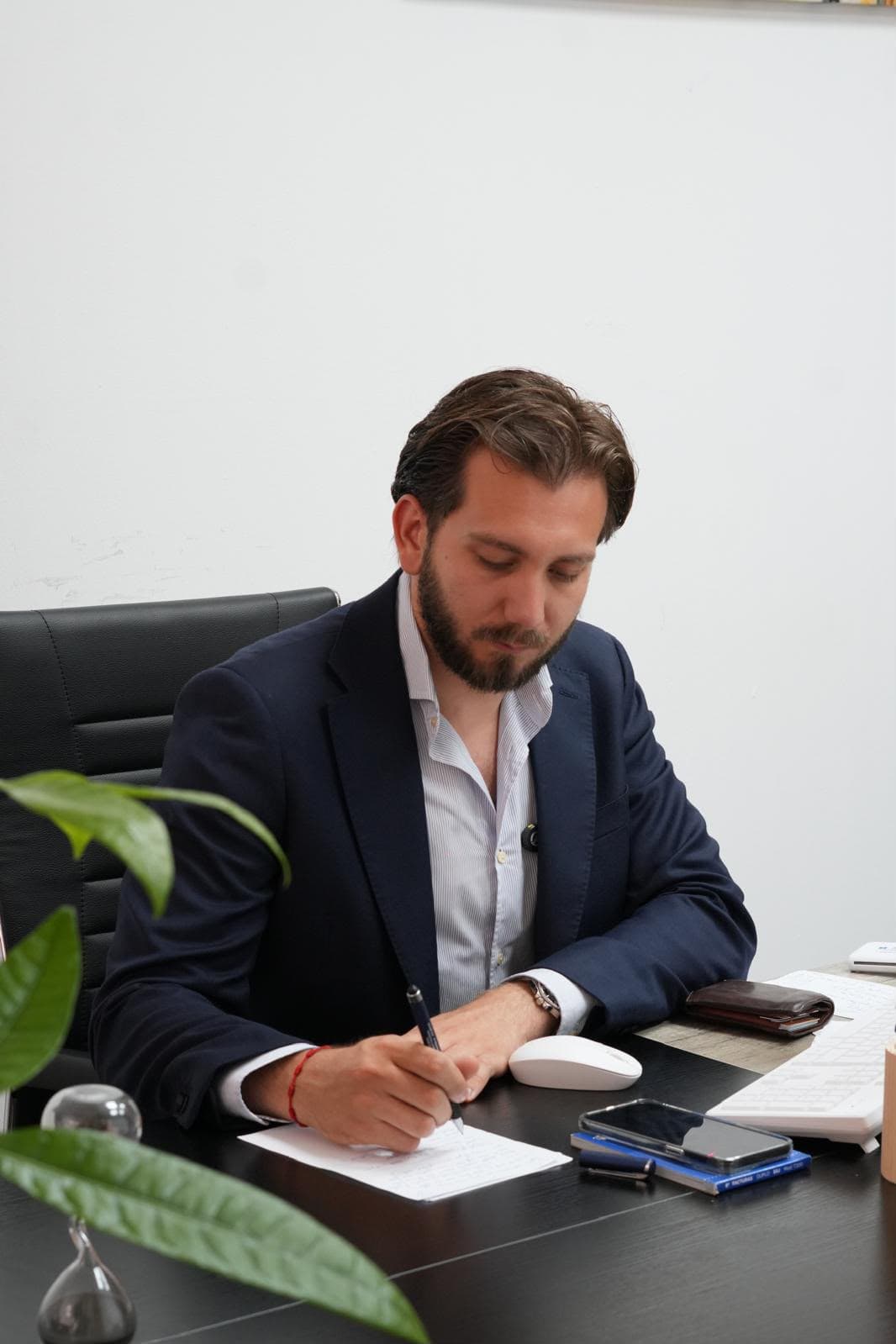
Reviewed by a lawyer
Reviewed by Alberto García López
Immigration lawyer · ICA Málaga, reg. no. 11.441
We check every page against current Spanish law. This is general information, not advice on your individual case.
Globalium is an independent law firm, not a government agency, and is not affiliated with or endorsed by any public administration. Visas, permits and identification numbers are granted solely by the Spanish authorities, and you are free to apply to them directly yourself. Our fees pay for legal advice and representation, and are separate from any official fee or tax.
Tell us where you trained. We'll tell you the route.
A straight answer on which ministry handles your case, whether an aptitude test is likely, and what the realistic road looks like — before you gather a single document.
+34 667 77 02 19 · infoglobalextranjeria@gmail.com
P.S. — the waiting is the hard part, and we can't wave it away. But a file that comes back for a missing apostille waits twice. Let's make yours wait once.