
The digital certificate — Spanish admin, without the queue.
The certificado digital is your online identity for Spanish administration: file taxes, deal with Seguridad Social, book a cita previa and sign forms from home instead of taking a ticket. We handle the FNMT request, the one in-person identity check and the install that everyone gets stuck on — in plain English.
Spain will happily let you queue for an hour to do something a certificate does in four clicks. The certificate is you choosing the four clicks.
What it takes to get your certificate, in plain English
Four pieces. Most people stall on two of them — the in-person check booked wrong, and the install done half-way — so those are the two we take off your hands.
Your NIE and valid ID
The certificate is tied to your identity, so you need your NIE and a valid passport or ID. If the NIE isn’t sorted yet, that’s the first domino — we line it up first so the certificate has something to attach to.
An online request to the FNMT
The certificate is issued by the FNMT-RCM (Fábrica Nacional de Moneda y Timbre). You request it online first and receive a request code, which you carry to the identity check. We confirm the current issuing steps and use the same browser and machine throughout — a detail that quietly breaks the process when ignored.
One in-person identity check
Once — and only once — you verify who you are at a registration office (an AEAT tax office or a town hall, by appointment). We confirm the current offices, book the cita previa and tell you exactly what to bring so you’re not sent home to try again.
A device it lives on (or Cl@ve)
After the check you download and install the certificate onto your computer and browser — this is the fiddly bit most people get stuck on. The Cl@ve system is a related alternative for lighter access, and we’ll tell you honestly which one fits how you’ll actually use it.
The certificate is issued by the FNMT-RCM; the request steps and registration offices are set by the administration, and we confirm the current process at the time we set yours up.
From FNMT request to installed and working
Request & preparation
We confirm your NIE and ID are in order, make the online request to the FNMT on the right machine, and secure the request code you’ll carry to the identity check. No guesswork about which portal or which browser.
The identity check
We confirm the current registration offices, book the cita previa, and brief you on exactly what to present. You go in person once — we make sure that single visit actually counts.
Download & install
The part everyone dreads. We download the certificate and install it properly onto your computer and browser, then take a secure backup so a new laptop doesn’t mean starting from zero.
Put it to work
We show you what it now unlocks — Agencia Tributaria, Seguridad Social, cita previa, signing forms — and set up Cl@ve alongside if that suits how you’ll use Spanish admin from home.
The questions we get first
What is a digital certificate and why do I need one?
The certificado digital is your online identity for Spanish administration. With it, you can file taxes with the Agencia Tributaria, deal with Seguridad Social, book a cita previa, sign official forms and log in to almost every government portal — all from home, instead of queueing at a counter. Without it, half of Spanish bureaucracy means turning up in person and taking a ticket. It is, quietly, the single most useful thing an expat can set up.
Who issues it — the FNMT or Cl@ve?
The certificate itself is issued by the FNMT-RCM (Fábrica Nacional de Moneda y Timbre). You request it online, verify your identity in person once, then download and install it. Cl@ve is a related, separate system run by the administration for lighter access to many of the same portals. They overlap but aren’t identical — we set up the one (or both) that matches how you’ll actually use Spanish admin.
Do I really have to go in person?
Yes — once. The identity check is deliberately in person to stop anyone impersonating you online, so you verify who you are at a registration office, typically an AEAT tax office or a town hall, by appointment. After that single visit, the whole point of the certificate is that you never have to queue again for the things it covers. We confirm the current offices, book the appointment and make sure that one visit does the job.
What can I actually do with it once it’s set up?
A great deal. File and check taxes at the Agencia Tributaria, handle Seguridad Social matters, request certificates, register a padrón change, book official appointments, respond to the administration, and sign forms electronically — from your sofa. It turns days of queueing into a few clicks. For anyone running a business, self-employed, or simply trying to stay on top of Spanish paperwork, it moves from convenient to essential.
Can you set it up for me, or do I have to do it alone?
We handle it end-to-end: the FNMT request on the correct machine, confirming the current offices, booking the cita previa, briefing you for the identity check, and then the download and install — the step where most people quietly give up. The one thing only you can do is turn up in person for the identity check; everything around it, we manage, and we explain each step in English rather than administrative Spanish.
What happens if I get a new computer?
This catches people out constantly. The certificate is installed on a specific machine and browser, so a new laptop can mean it’s simply gone if you didn’t back it up. When we install it, we take a secure backup and show you how to import it onto a new device — so a hardware upgrade doesn’t turn into a repeat of the whole in-person process. Small detail, large relief later.
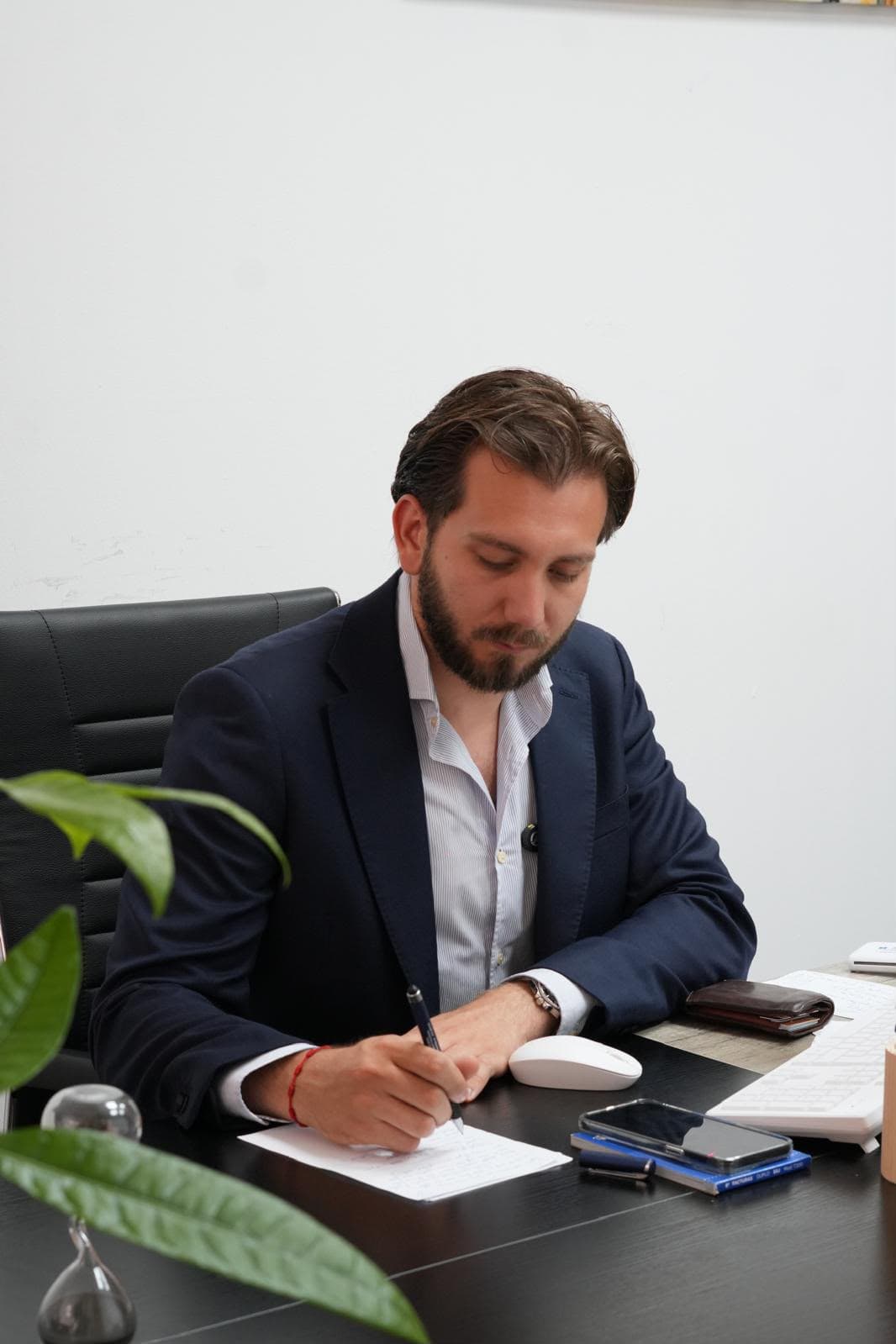
Reviewed by a lawyer
Reviewed by Alberto García López
Immigration lawyer · ICA Málaga, reg. no. 11.441
We check every page against current Spanish law. This is general information, not advice on your individual case.
Globalium is an independent law firm, not a government agency, and is not affiliated with or endorsed by any public administration. Visas, permits and identification numbers are granted solely by the Spanish authorities, and you are free to apply to them directly yourself. Our fees pay for legal advice and representation, and are separate from any official fee or tax.

One visit in person. Everything else from home.
We line up the FNMT request, the identity-check appointment and the install — and show you what it unlocks — so Spanish admin stops meaning a morning in a queue.
+34 667 77 02 19 · infoglobalextranjeria@gmail.com
P.S. — the certificate is the least glamorous thing on your relocation list and, week to week, the one you'll thank yourself for most. Set it up early; queue never.