
Spanish bureaucracy, handled — and explained in English.
The day-to-day errands nobody warns you about: booking the cita previa, filling and filing the forms at Hacienda, Seguridad Social, the town hall, Tráfico and Extranjería, ordering certificates, arranging sworn translations, chasing the reply — and keeping your renewals off the cliff-edge. We are the buffer between you and the paperwork.
You moved to Spain for the light, the food and the long lunches. Not to spend a Tuesday morning losing an argument with a numbered ticket.
The errands, done properly — so you get your time back
Not one big case. A hundred small ones — the appointments, forms and certificates that eat your week if you face them alone, in Spanish.
Cita previa, booked & attended
The dreaded "appointment" system — Extranjería, the town hall, Tráfico, the tax office — where slots vanish the second they appear. We hunt the cita previa, book it, and go with you (or in your place, where the trámite allows).
Forms filled and filed
Hacienda/AEAT tax forms, Seguridad Social registrations, town-hall paperwork, DGT and Extranjería filings — completed correctly, in the right order, and lodged before the window closes. The wrong box ticked is a wasted month.
Certificates & the padrón
Getting you on (and off) the padrón municipal, pulling a padrón certificate for a visa or a mortgage, ordering registry extracts, digital certificates and the odd document nobody warned you existed until it was demanded.
Sworn translations & apostilles
When a form insists on an official Spanish translation or an apostilled original — birth certificates, degrees, company documents — we arrange the traducción jurada and legalisation so it is accepted first time.
Chasing responses
The part everyone hates: phoning, emailing and physically standing in the queue to find out why nothing has moved. We follow up, quote the file reference, and translate whatever cryptic reply comes back.
Renewal & deadline reminders
TIE cards, licence exchanges, tax filings and residency renewals all have expiry dates that do not forgive lateness. We keep the calendar and nudge you well before, not the week it lapses.
Which offices, forms and appointments a given errand needs depend on the trámite and your circumstances; we confirm the exact list before we start.
From «what is this letter?» to «it's done»
Tell us the errand
A quick call or message in English: what you need done, or the letter you cannot read. We tell you straight whether it is a five-minute fix or a proper trámite, and what it will cost.
We map the paperwork
We list exactly which forms, certificates, translations and appointments the task needs — so nothing is missing when you arrive at the counter and you are not sent home for a photocopy.
Booked, filed, followed up
We request the cita previa, complete and lodge the forms, and chase the response. Where a power of attorney lets us act for you, you needn’t attend in person at all.
Confirmed & diarised
You get the outcome in plain English, the documents in hand, and any future deadline written into our reminder calendar so the next renewal is a note, not a nasty surprise.
The questions we get first
What exactly is a gestoría, and why would I need one?
A gestor/gestoría is a normal, respected part of Spanish life — a specialist who handles administrative errands with the tax office, Seguridad Social, town halls, traffic authority and immigration on your behalf. Spaniards use them routinely. For an expat facing all of that in a second language, it is the difference between a lost afternoon (or a missed deadline) and a task that is simply done. We do the running around and explain every step in English.
Can you deal with the offices so I don’t have to go in person?
For many trámites, yes. With a straightforward power of attorney (or an authorised representation for a specific procedure) we can attend certain appointments and file paperwork in your place. Some acts still require you personally — fingerprints for a TIE card, for example — but even then we request the cita previa, prepare the file and come with you so nothing goes wrong at the counter.
I’ve had a letter in Spanish and I don’t understand it. Can you help?
That is one of the most common calls we get. Send us a photo. We read it, tell you what it actually means — a tax notice, a request for a missing document, a summons to an appointment — and, crucially, whether there is a deadline. Then we handle the reply or the next step. A demand you cannot read is not a demand you can ignore; the clock usually still runs.
Do you handle tax forms and Seguridad Social too?
We handle the administrative side — registering you, filing routine forms with Hacienda/AEAT and Seguridad Social, and keeping the paperwork straight. For genuine tax planning (residency, the Beckham regime, non-resident tax, worldwide-income questions) we work alongside a tax adviser rather than guess, so you get the errand done and the strategy right. We will tell you honestly which part is which.
What about the padrón, NIE letters and lost documents?
Bread-and-butter work. We register you on the padrón municipal or pull a padrón certificate when a bank or consulate demands one; we help recover or re-request an NIE assignment letter that has gone missing; and we chase replacement copies of certificates and resolutions. Losing the original of a document is inconvenient in Spain, not fatal — there is almost always a way to obtain a fresh certified copy, and we know which office issues it.
Is this a one-off, or can you look after things ongoing?
Either. Some clients call us for a single errand — one appointment, one form, one translation. Others want a standing buffer: we hold their renewal calendar, catch official post before it becomes urgent, and pick up whatever the bureaucracy throws next. Tell us which suits you; there is no obligation beyond the task in front of us.
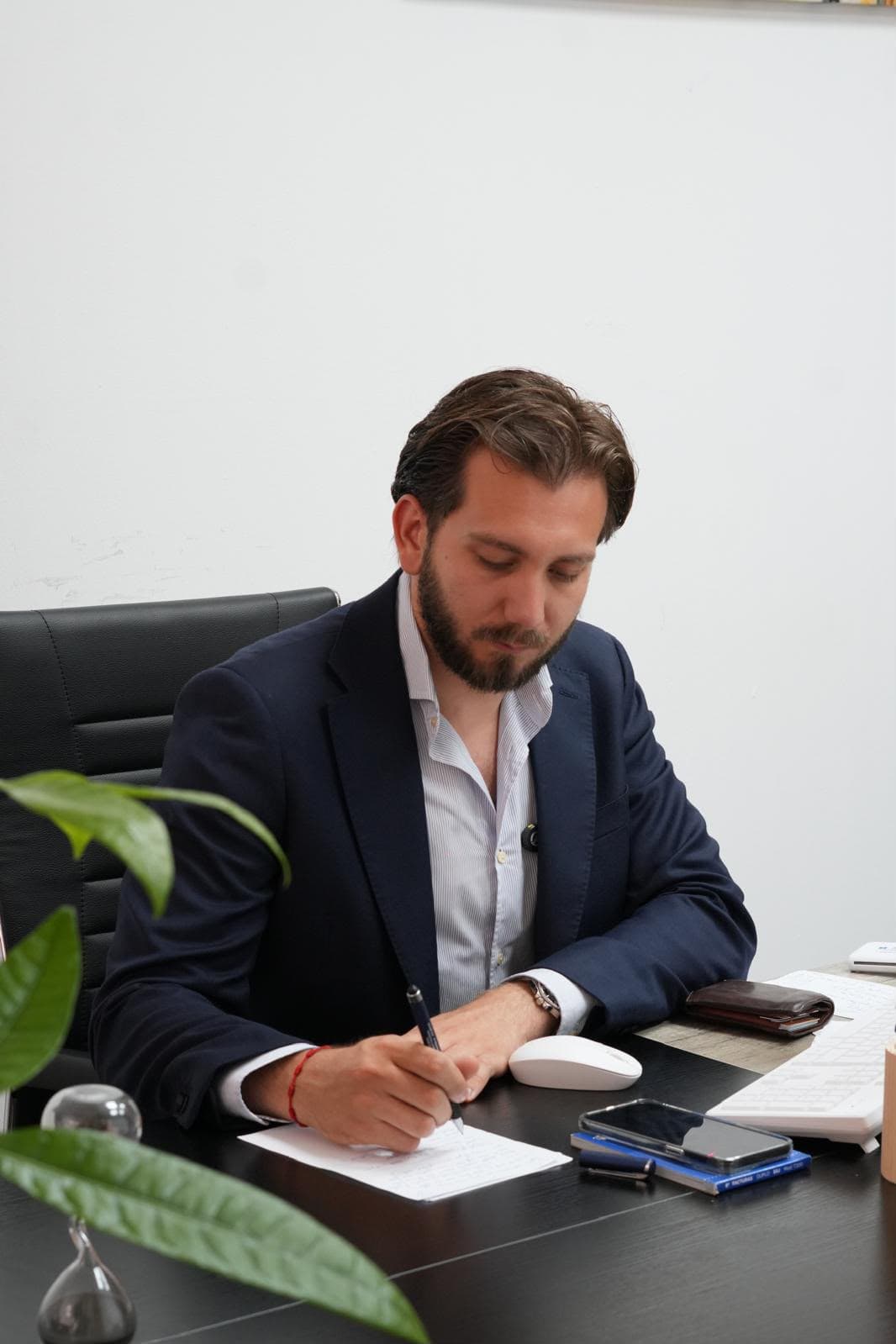
Reviewed by a lawyer
Reviewed by Alberto García López
Immigration lawyer · ICA Málaga, reg. no. 11.441
We check every page against current Spanish law. This is general information, not advice on your individual case.
Globalium is an independent law firm, not a government agency, and is not affiliated with or endorsed by any public administration. Visas, permits and identification numbers are granted solely by the Spanish authorities, and you are free to apply to them directly yourself. Our fees pay for legal advice and representation, and are separate from any official fee or tax.
Send us the errand. We'll send back «done».
A photo of the letter, or one line on what you need booked or filed. We tell you straight whether it's a quick fix or a proper trámite, what it costs and when it's done — before you commit to anything.
+34 667 77 02 19 · infoglobalextranjeria@gmail.com
P.S. — the document you can't read is usually the one with a deadline on it. Forward it now; regret it never.