
Asylum in Spain: one interview decides most of it.
International protection under Ley 12/2009 turns on the account you give and what supports it. We prepare the claim before the interview rather than after the refusal, handle the documentation and the right to work while you wait, and appeal when it goes the wrong way. In English, confidentially.
Everything you tell us is covered by professional secrecy, including the first conversation and including the parts you would rather not write down.
The claim, the wait, and the appeal
Most of the damage in asylum cases is done in the middle part — the years of waiting that nobody prepares you for.
Preparing the claim before the interview
Asylum in Spain is decided largely on one interview and the account you give in it. Under Ley 12/2009 the question is whether you have a well-founded fear of persecution, or face a real risk of serious harm that qualifies for subsidiary protection. The work that decides the case happens before you sit down: getting the account straight and chronological, and gathering what corroborates it.
Evidence, which is rarely a document
Most people fleeing something do not arrive with a file of proof, and the system knows it — credibility and country-of-origin conditions carry real weight. But what you do have counts: reports, medical records, threats in writing, screenshots, the record of a complaint that went nowhere. We work out what exists, what can still be obtained, and what has to be carried by the account alone.
Admission, the red card and the right to work
A claim first has to be admitted to processing. Once it is, you are documented as an applicant — the card people call the tarjeta roja — and after a qualifying period as an applicant you gain authorisation to work in Spain while the file is decided. That documentation is what turns a limbo into a life, and getting the timing right matters.
Refusal, and what is left after it
Refusals are appealed, and they are appealed on deadlines that are short — shorter still if the claim was made at a border post or in detention. Where asylum genuinely will not succeed, we say so and look at the alternative: residence on humanitarian grounds, arraigo routes once the time requirement is met, or a family route. A dead asylum claim is not the end of the immigration options, but pretending it is alive costs years.
Asylum and subsidiary protection are governed by Ley 12/2009, de 30 de octubre; deadlines and entitlements are confirmed against your own file and the documentation actually issued to you.
From the first conversation to a decision
A confidential first conversation
You tell us what happened, in English, without having to make it sound legal. We tell you honestly whether this is an asylum case, a different immigration route, or both — before any money is discussed.
Registering the claim
Manifesting the intention to apply and getting the appointment fixed, so that your position is on the record from the earliest possible date. Timing affects your status while you wait, and waiting to be "ready" is the wrong instinct here.
The interview, prepared
We work through the account until it is complete, ordered and consistent with the documents, and we prepare you for how the interview is actually conducted. You are entitled to an interpreter and to legal assistance; neither is a courtesy.
Renewals, and the appeal if it comes
Keeping your documentation current while the file runs, and appealing a refusal within its deadline. If the decision is negative and unappealable, we move immediately to whatever alternative route your years in Spain have opened.
The questions that actually matter
What is the difference between asylum and subsidiary protection?
Both are forms of international protection under Ley 12/2009 and both are applied for in the same procedure. Refugee status is for someone with a well-founded fear of persecution for reasons such as race, religion, nationality, political opinion or membership of a particular social group. Subsidiary protection covers a person who does not meet that definition but who would face a real risk of serious harm if returned. You do not have to choose between them when you apply: you make one claim, and the authorities assess both.
Can I work in Spain while my claim is being decided?
Yes, once your claim has been admitted to processing and you have been an applicant for the qualifying period, you are authorised to work while the file is pending. This is one of the most misunderstood parts of the system — a great many applicants spend that period believing they are barred from working, and lose both income and the contribution record that later routes rely on. We will tell you the date from which you are entitled to work and make sure your documentation reflects it.
How long does an asylum claim take in Spain?
Longer than the law suggests. The legally foreseen resolution period is six months, but in practice files routinely run well beyond that, and the honest answer for most applicants is a wait measured in years rather than months. That is unsatisfying and it is also the truth. What it means practically is that the interim documentation, the right to work and keeping your card renewed are not side issues — for most of the time your claim exists, they are the case.
What happens if my claim is refused?
A refusal can be challenged, and the deadlines are short — shorter again if the application was made at a border post or while in detention, where the whole procedure runs on an accelerated timetable. Send us the resolution the day you receive it. In parallel we look at what else your time in Spain has made available: humanitarian grounds, an arraigo route once the residence requirement is satisfied, or a family route. Losing the asylum claim and losing the ability to stay are not the same event.
I entered Spain irregularly. Does that disqualify me?
No. How you arrived does not, by itself, defeat a claim for international protection — people fleeing persecution are rarely in a position to arrive with a visa, and the system is not built on the assumption that they do. Irregular entry can raise separate administrative consequences, which is precisely why the claim should be registered rather than postponed. If an expulsion file has already been opened against you, that is a parallel emergency with its own clock and we deal with both.
Is this confidential?
Yes, and it is worth saying plainly because it is the thing people worry about before they call. Everything you tell us is covered by professional secrecy as a matter of Spanish law, whether or not you go on to instruct us. That includes the first conversation, and it includes the parts of the account you would rather not put in writing.
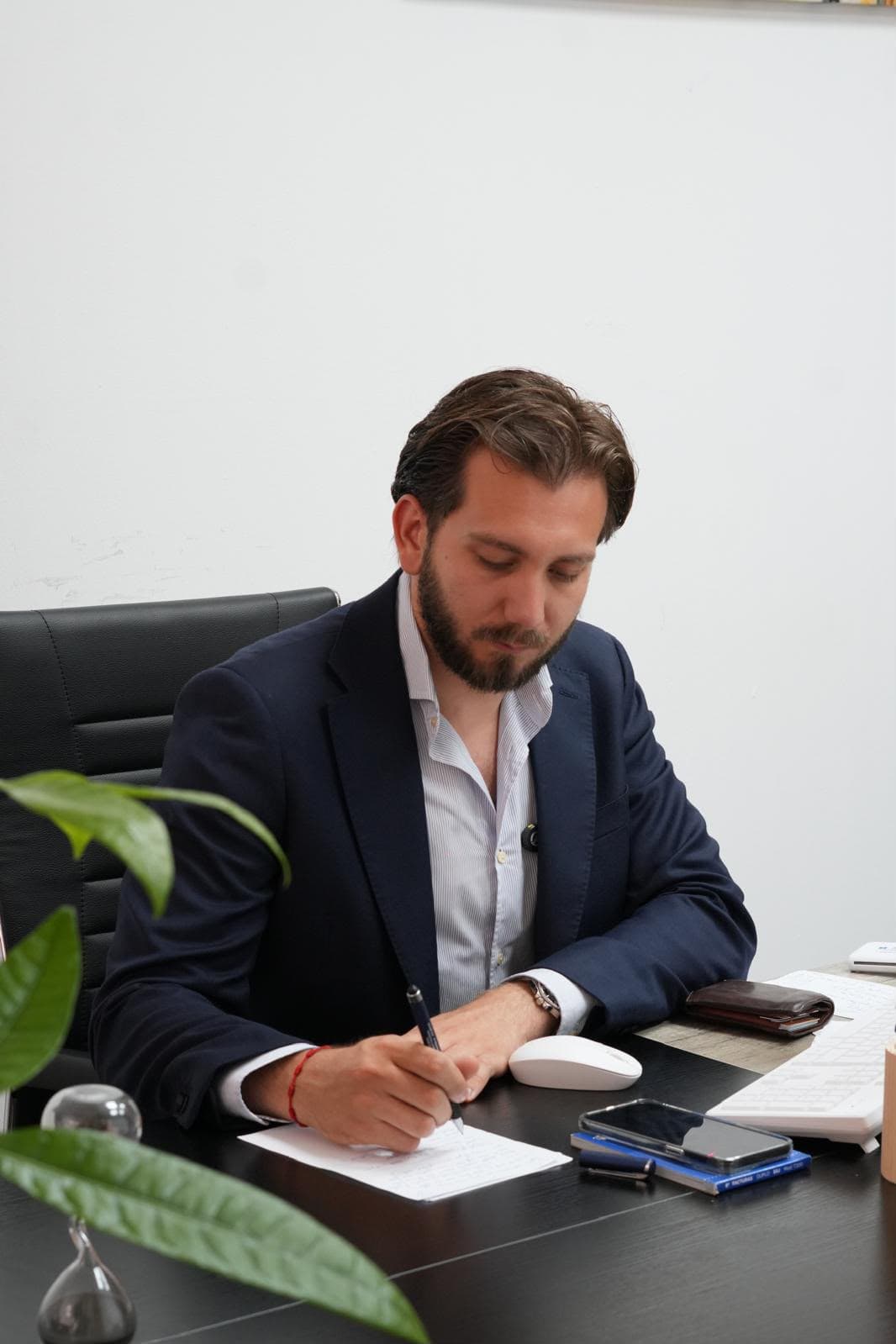
Reviewed by a lawyer
Reviewed by Alberto García López
Immigration lawyer · ICA Málaga, reg. no. 11.441
We check every page against current Spanish law. This is general information, not advice on your individual case.
Globalium is an independent law firm, not a government agency, and is not affiliated with or endorsed by any public administration. Visas, permits and identification numbers are granted solely by the Spanish authorities, and you are free to apply to them directly yourself. Our fees pay for legal advice and representation, and are separate from any official fee or tax.

Tell us what happened. We'll tell you if it's a case.
You do not need to make it sound legal, and you do not need documents to start. If asylum is the wrong route for you we will say so and tell you what the right one is.
+34 667 77 02 19 · infoglobalextranjeria@gmail.com
P.S. — the most common avoidable loss in this area is not a bad interview. It is an applicant who did not know they were allowed to work, and spent two years proving nothing.