
Refused? That's not the final word — but the clock is short.
A refused visa, residence or renewal in Spain is a decision you can challenge — first with an administrative appeal, then, if it comes to that, before the courts. The catch is the deadline: it's measured in weeks and it started the day you were notified. We appeal it on the real grounds of refusal, in plain English.
Don't re-file the same application and hope for a kinder officer. A refusal has reasons — the way to beat it is to answer them.
Challenging a refusal, stage by stage
Two routes, one after the other, both against the clock. The order matters — and so does answering the grounds they actually gave.
Read the refusal properly
Every refusal states its grounds. Half of them are wrong, badly reasoned, or based on a document the file already contained. Before anything else, we work out exactly why they said no — because that, not the visa you wanted, is what the appeal has to answer.
Administrative appeal
The first stage is administrative, under Ley 39/2015: a recurso de reposición back to the same body that refused you, or a recurso de alzada up to the superior body. A reasoned appeal on the real grounds — not a re-filed copy of the flawed application — is the route.
Judicial review, if it comes to that
If the administration holds firm, the fight moves to the courts: a recurso contencioso-administrativo under Ley 29/1998, before the administrative tribunals. Most cases never need this. When yours does, you want it argued by someone who does it for a living.
The clock — the whole game
Appeal deadlines are short and unforgiving: as a rough guide, about a month for an administrative appeal and about two months for the contencioso, running from notification. Miss it and the refusal becomes final. We confirm your exact deadline first, before anything else.
Administrative appeals run under Ley 39/2015 (procedimiento administrativo común) and judicial review under Ley 29/1998; deadlines and the precise instrument are set by current Spanish law and confirmed against your resolution.
From the refusal letter to a real answer
Send us the refusal — today
Forward us the resolution the moment you have it. The clock started when you were notified, so the first thing we do is pin down your exact deadline and whether silencio administrativo already counts as a refusal you can challenge.
Diagnosis of the grounds
We read the resolution against your original file and Spanish law, and tell you honestly: is this winnable on appeal, is it better re-applied cleanly, or is it genuinely lost. No false hope, no fee for a fight that can’t be won.
The reasoned appeal
We draft and file the right instrument — reposición or alzada — arguing the actual grounds of refusal with the evidence and law that answers them. Filed in time, on the record, done properly the first time.
To the courts, only if needed
If the administration won’t move, we take it to the contencioso-administrativo under Ley 29/1998. You’ll know the odds, the cost and the timeline before we file a single page in court.
The questions we get first
My visa (or residence) was refused. Should I just apply again?
Usually not — and re-filing the same flawed application is the most common mistake we see. If the refusal is wrong or badly reasoned, the route is a reasoned appeal on the actual grounds they gave, not a fresh copy of the file that was already rejected. Re-applying can also let the appeal deadline lapse in the background, so the door you should have used quietly closes. Send us the resolution first and we’ll tell you which of the two routes actually fits.
How long do I have to appeal?
Short — that’s the whole game. As a general guide it is roughly one month for an administrative appeal and about two months for the contencioso-administrativo, counted from the day you were notified. But the exact period depends on the type of decision and how it was served, so we don’t guess: we confirm your precise deadline the moment we see the resolution. If it has almost run, that becomes the priority over everything else.
What is the difference between the administrative appeal and going to court?
Two stages. First the administrative appeal under Ley 39/2015 — a recurso de reposición to the same body that refused you, or a recurso de alzada to the body above it. If that doesn’t fix it, the judicial stage follows: a recurso contencioso-administrativo under Ley 29/1998, decided by the administrative courts rather than the immigration office. Most cases are resolved at the administrative stage; the court route is the escalation when the administration simply won’t reconsider.
I applied months ago and never heard back. Is that a refusal?
It can be. Spanish law has a concept called silencio administrativo — administrative silence — where a non-answer within the legal period is treated, in many immigration cases, as a refusal you are entitled to challenge. Which means a deadline may already be running even though no one has formally said no to you. If your application has gone quiet, don’t wait it out — let us check whether the clock is ticking.
Will I win?
We won’t promise that, and you should be wary of anyone who does — the outcome depends on the grounds of refusal, the evidence and the court. What we will do is give you a straight read on whether the appeal is winnable before you spend money on it. Some refusals are eminently overturnable; some are better re-applied from scratch; a few are genuinely lost, and we’ll say so. An honest diagnosis is worth more than a confident guarantee.
Do I have to be in Spain, or come to Fuengirola, to appeal?
No. Appeals are built on the file and the written argument, so we run them for clients across the Costa del Sol and from abroad without you setting foot in an office. You send us the resolution and the supporting documents; we handle the drafting, the filing and the follow-up, and keep you posted in plain English at each stage.
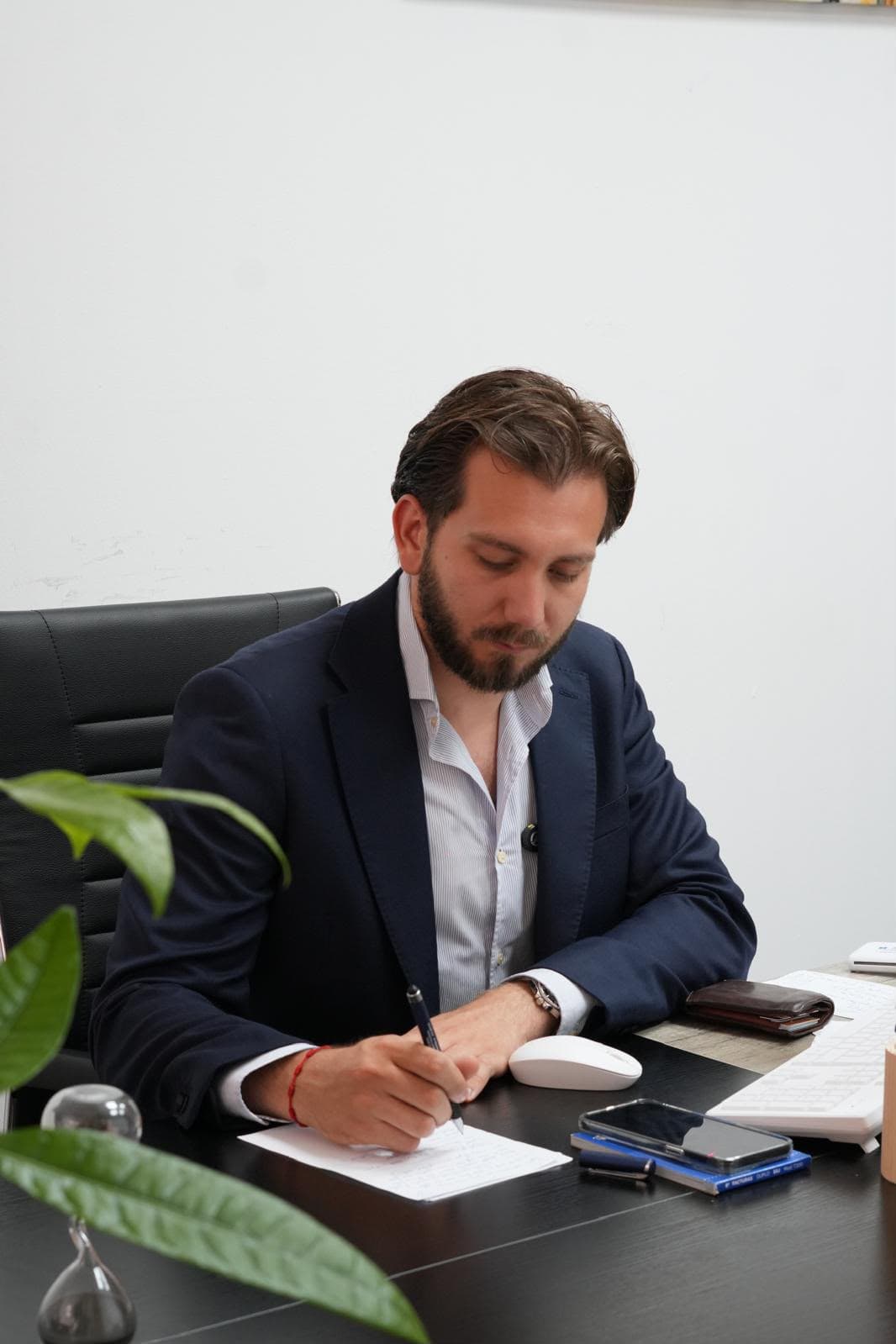
Reviewed by a lawyer
Reviewed by Alberto García López
Immigration lawyer · ICA Málaga, reg. no. 11.441
We check every page against current Spanish law. This is general information, not advice on your individual case.
Globalium is an independent law firm, not a government agency, and is not affiliated with or endorsed by any public administration. Visas, permits and identification numbers are granted solely by the Spanish authorities, and you are free to apply to them directly yourself. Our fees pay for legal advice and representation, and are separate from any official fee or tax.

Send us the refusal. We'll tell you the deadline.
A straight read on whether it's winnable, which route fits, and exactly how long you have — before you commit to anything. The one thing we can't buy back is a deadline you've already missed.
+34 667 77 02 19 · infoglobalextranjeria@gmail.com
P.S. — the flag going up is not the final whistle. But there is a final whistle, and it comes sooner than you think. Get the review started before it blows.